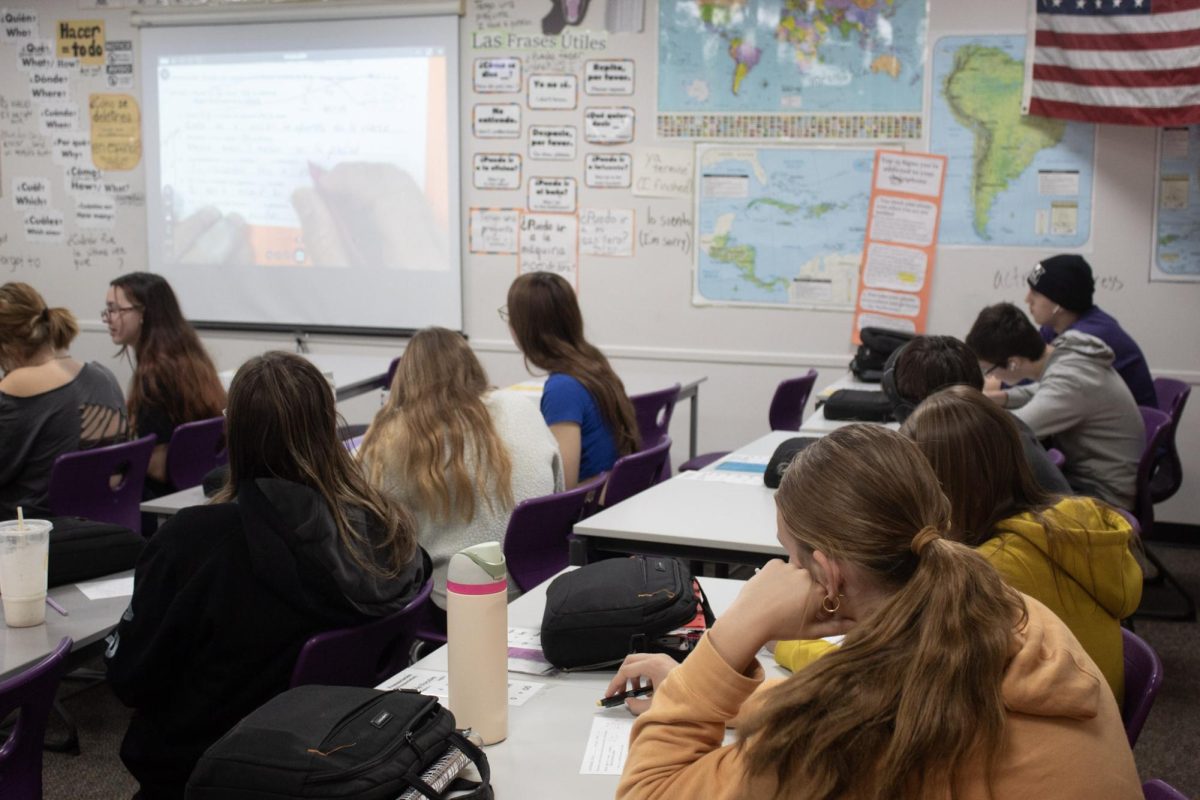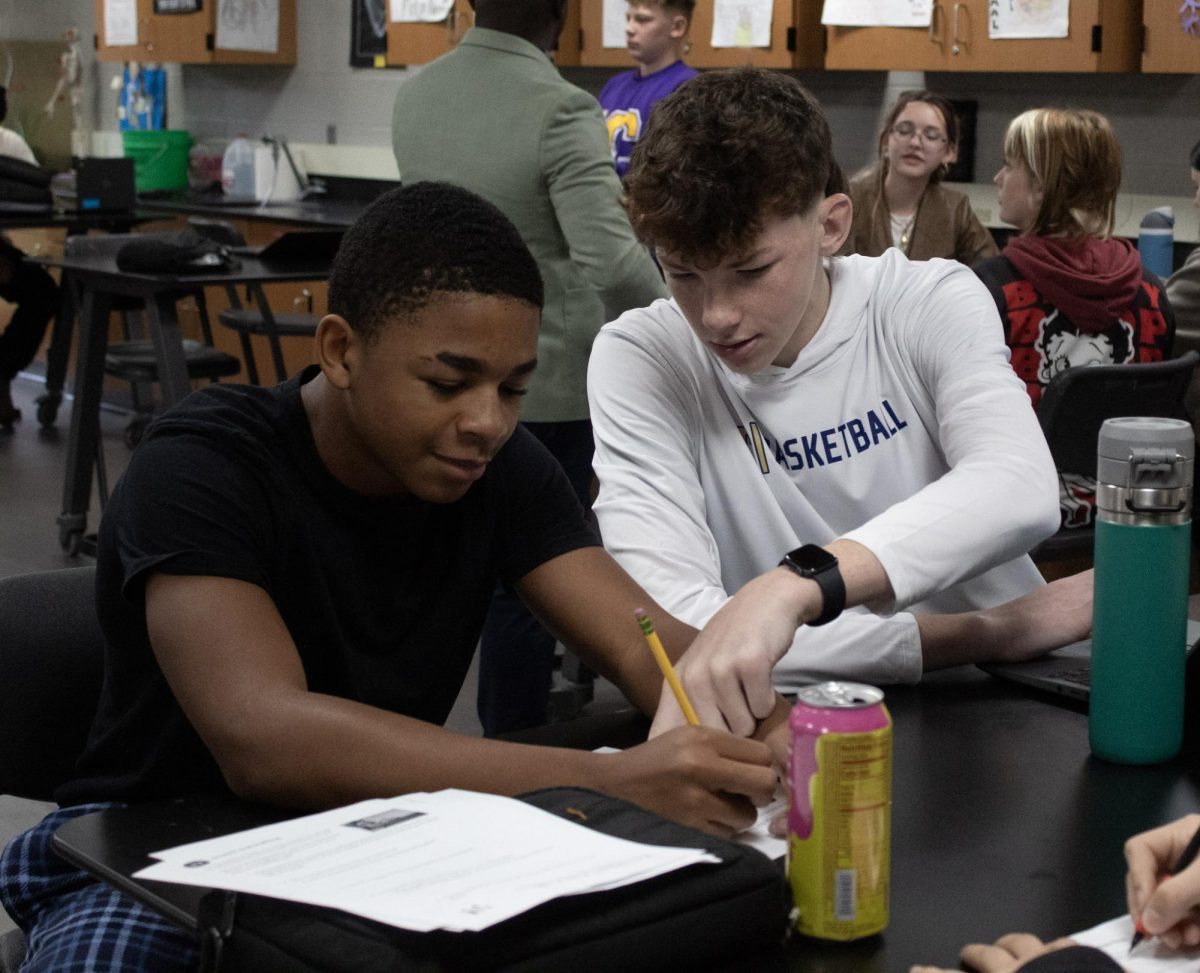
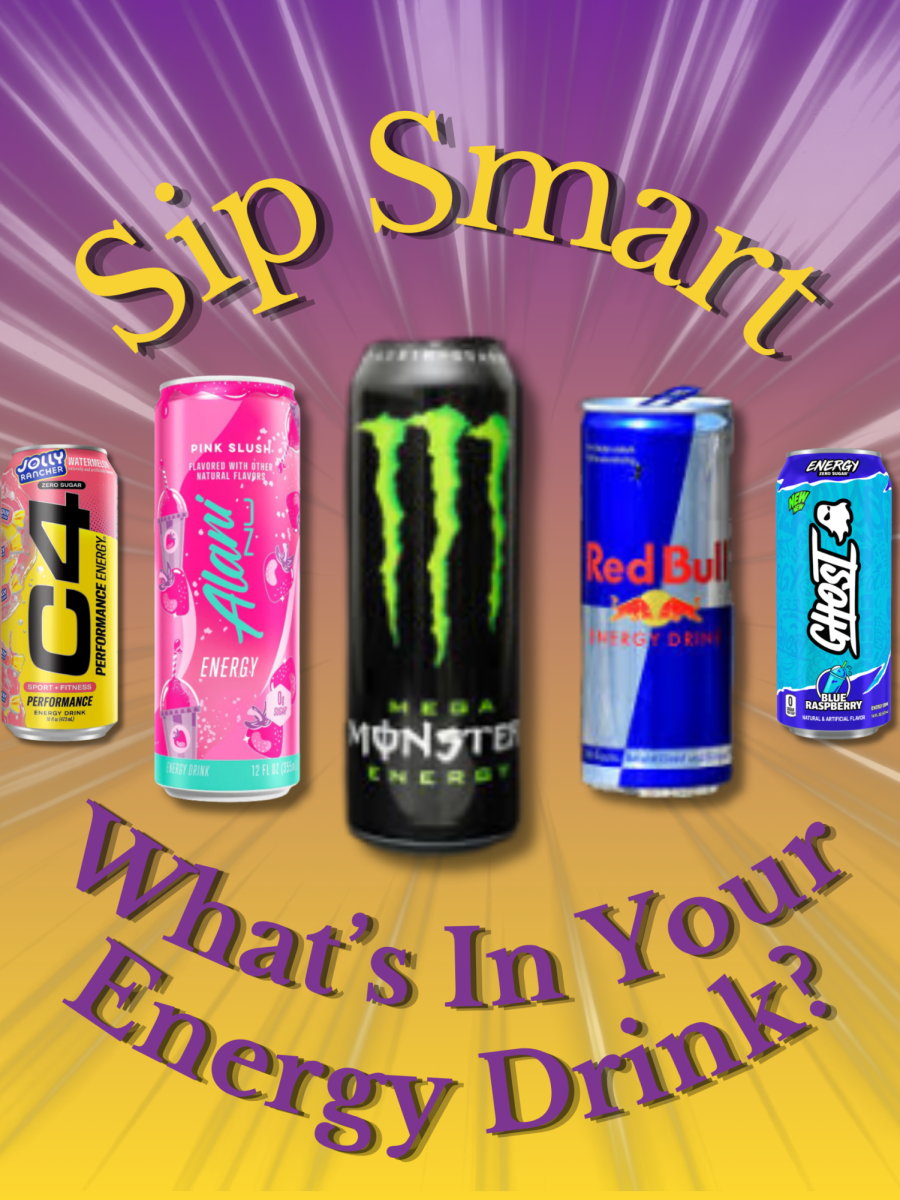
Energy drinks have become increasingly popular amongst young people, not just high school students, but also middle and elementary school students. Energy drinks are being marketed to boost energy, focus, and performance, but in reality, they have the opposite effect on young people. With the recent consumption of energy drinks in kids, there exists a risk to physical health, mental health, and academic success.
Throughout the halls of Concord, numerous students have energy drinks, even in elementary school, and sometimes more than one energy drink a day. Superintendent Rebecca Hutchinson and Director of Student Support & Behavioral Interventionist Dan Claus worked together quickly to address the problem by creating and enforcing a ban. The reason for the ban was that both they and the staff saw how it affected the students’ ability to work: crashing from the high, being more tired due to disrupted sleep patterns, and an inability to focus in class. Concerned about students’ health and safety, Claus explains, “Please research. There is a lot of information out there, and I know it’s scary because there have been some deaths related to high caffeine content.” Claus continues to explain that, “Caffeine is considered a drug… the more you drink, the more your body gets used to it… if you cut the caffeine out, you are going to sleep better, more refreshed, and not feel the need to go buy more.”
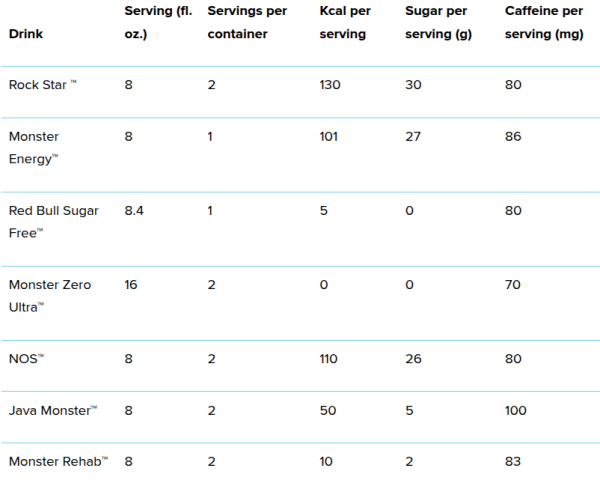
caffeine contents. Found in Nutrition & Health Info Sheets for Consumers – Energy Drinks
One of the main problems with energy drinks is the high levels of caffeine. Most cans carry more caffeine than pop or coffee itself. For instance, in Nutrition & Health Info Sheets for Consumers – Energy Drinks, it states that energy drinks can have “50 to 200mg of caffeine in one serving. However, many energy drinks have more than one serving in one can… In comparison, one serving of regular drip coffee can have between 95 to 165mg of caffeine, one serving of tea has between 24 to 46mg of caffeine, and one serving of cola has between 24 to 46mg of caffeine.” Underdeveloped teens and children are unable to process caffeine as effectively. This can lead to cardiac problems, like arrhythmias, increased heart rate, high blood pressure, and more. A electrophysiology nurse at the University of Michigan since May 2025, Jessica Adams has also been a nurse in cardiology since 2005, and has seen a lot in her years in the medical field. Adams states that those who have a history of cardiac problems, it can be far more dangerous because “young people don’t always know they have cardiac problems or are at risk of dying if they drink too much caffeine… The risks go up [even for healthy people] if they are dehydrated from heat or exercise.”
Having witnessed the impact of energy drinks firsthand, CMS English teacher Mrs. Smith shares her concerns: “I’ve also had a few students share that they use energy drinks to self-manage ADHD symptoms… While caffeine is a stimulant, it is not a reliable or safe treatment for ADHD, particularly given inconsistent dosing and the added ingredients (like sugar) that can counteract any potential benefit.”
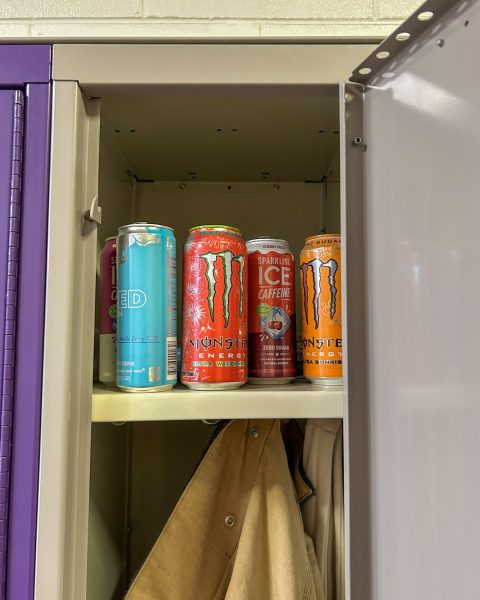
Energy drinks can also negatively impact mental health. With such high levels of sugar and caffeine, it can increase stress, anxiety, or depression. Thus leading to sleeping problems. In the site National Library of Medicine, an article was published on sleep, where they found that, “Energy drinks contain caffeine, ginseng, taurine, guarana, sugar, and B vitamins; among these, caffeine is the major ingredient. Caffeine, a methylxanthine is a well-known central nervous system (CNS) stimulant which causes increased alertness and deferred fatigue.” (Consumption of Energy Drinks and Their Effects on Sleep Quality among Students at the Copperbelt University School of Medicine in Zambia) and found long-term effects such as “…risk of dependency (so-called caffeine dependency syndrome) and develop withdrawal symptoms once off the caffeine.” Altogether, these impacts highlight the dangers that impact one’s mental health.
If someone is trying to reduce and/ or withdraw from energy drinks, it is best to do it gradually, not rush. It also helps to stay hydrated, whether it is with water or juice. On top of that is to be patient. This doesn’t just happen overnight; it will take time for one’s body to adjust, so by being patient, one can see the effects truly take place. With reducing and/ or withdrawing, one is expected to experience side effects; that being said, Adams shares that “Headaches are a common side effect… and it is temporary.”
The ban has been in place for middle school and elementary school. This is to help reduce these physical and mental health risks, prevent overconsumption, and help maintain a healthy life. Concord wants to keep its students safe and healthy, even if it means banning kids’ energy drinks.