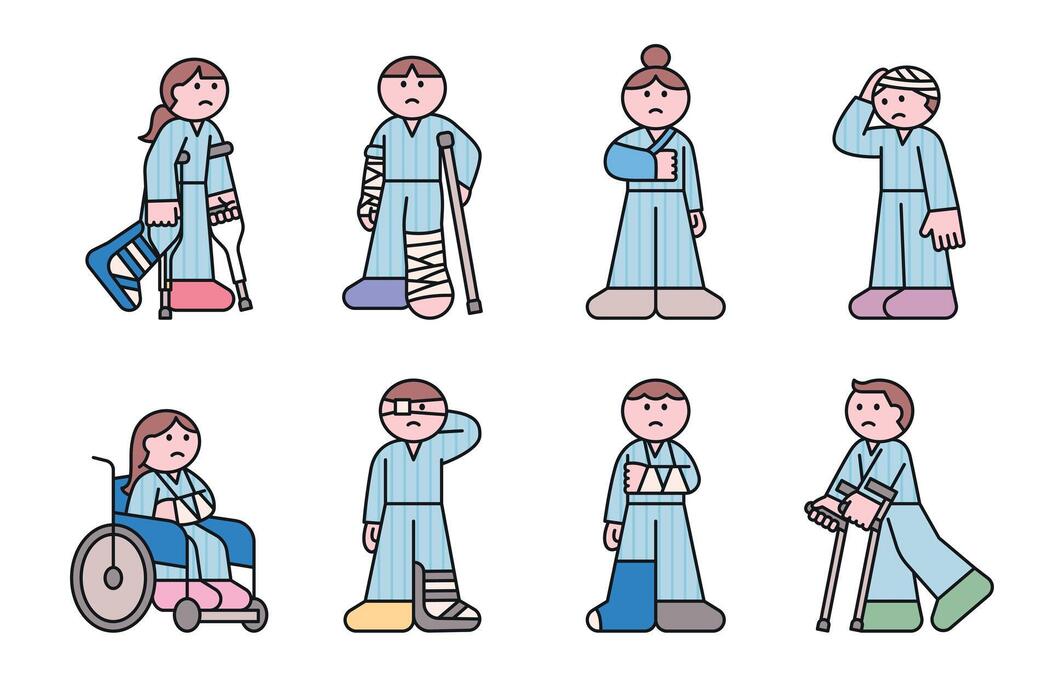
When was the last time you were faced with a sports-induced injury? In just 2024 alone, data indicate a 14% increase in sports injuries from student-athletes, meaning we are now experiencing about 3.5 million injuries yearly, just in the San Francisco area. That’s approximately 1% of the U.S. population, according to an article by the University of California, San Francisco. Student athletes here at Concord are not immune to these struggles. As sports-induced injuries become more prevalent, how do student athletes, their parents, and their coaches both prevent and overcome the effects of these injuries?
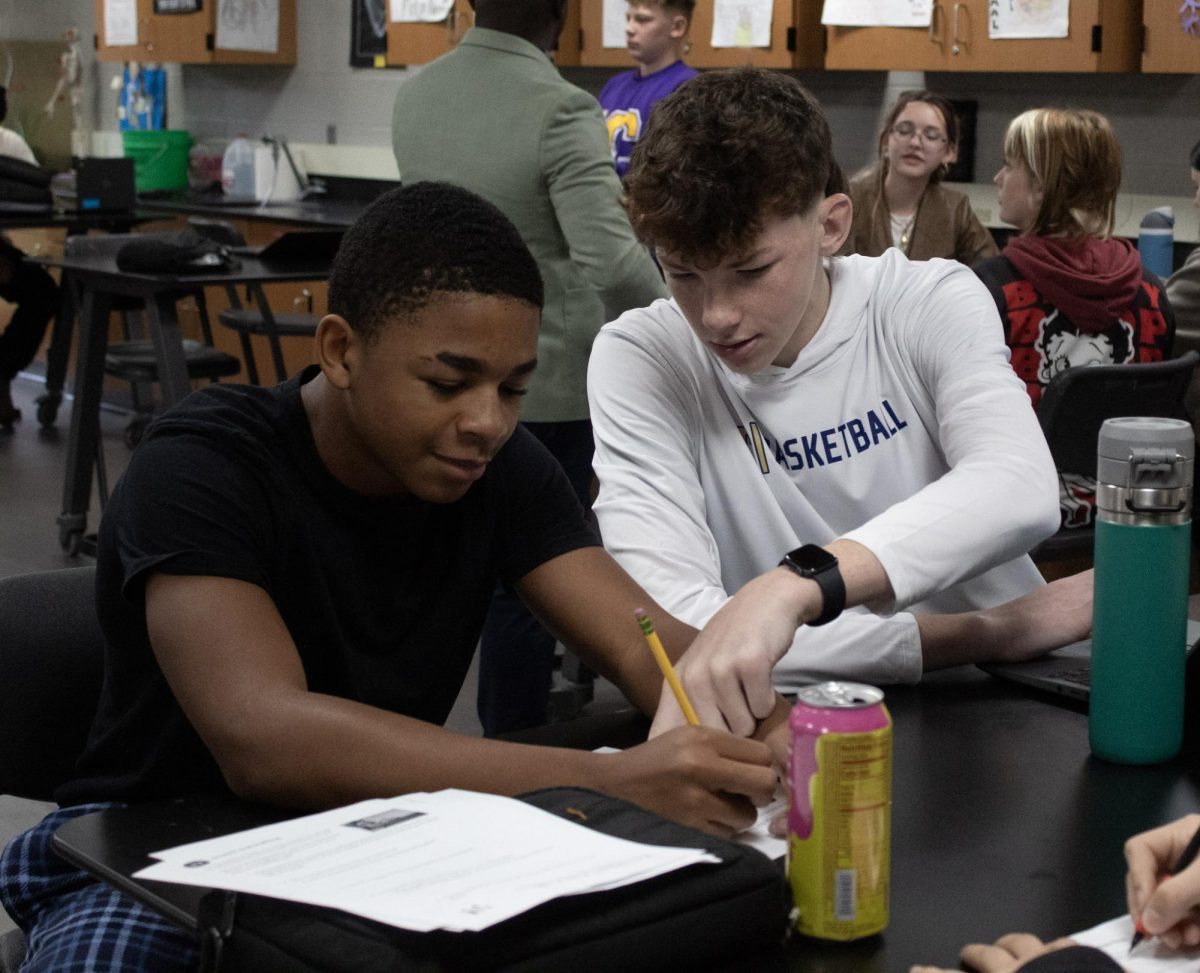
Many student-athletes play a different sport for each season, but in recent years, more athletes are focusing on one specific sport year-round. While many people may think it is good to condition and practice for one sport more often, the opposite is true. By focusing on one sport, athletes are essentially training the same muscle groups repeatedly, which could increase their risk of injury. However, it is still easy to get injured playing any high-contact sport if athletes take it seriously enough. Amari Blakley, a sophomore at Concord High School, was recently faced with a fractured ankle, which forced him to take a two-week break from basketball. Not only do injuries affect athletes physically, but they can also take a mental toll on them. Blakley explains, “I thought that since I’m injured, I won’t play basketball for
the rest of the season, so I thought that meant my grades didn’t matter, which made me go downhill.”
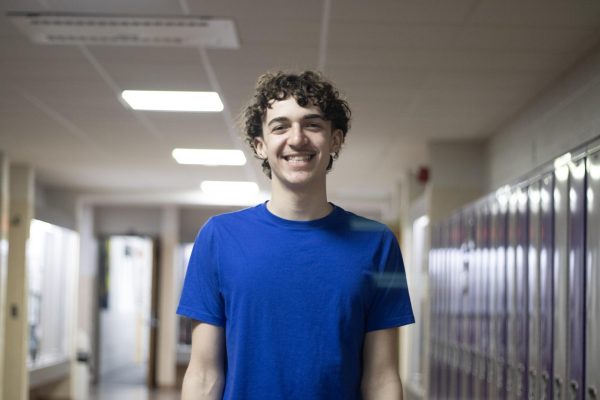
Kids all over the world who have to take time away from regular activities because of injuries express increased signs of depression, anxiety/fear, lack of motivation, identity crisis, and overconfidence, as cited in an article by Nebraska Medicine. Hunter Watts expresses the mental effect this injury had on him. “Having [a sprained ankle] makes me pretty sad because I won’t be able to finish

out my sophomore year of basketball.”
However, this mental toll and worse physical condition can be noticed in early stages. Oftentimes, after an injury, athletes will jump right back into sports when they believe they are healed enough. Both parents and coaches should be encouraging a full recovery to prevent the chances of being hurt again or being hurt worse than before. Alongside this, listening to warning signs from the body can help athletes avoid issues in the future. In most cases, when athletes suddenly lose interest in their sport, it is actually their body implying an underlying physical or mental issue. Whether this be a hurt body part that is not being tended to, or a mental drain that is being ignored.
Moreover, there are things that athletes can do to help prevent common injuries. An athletic trainer from Henry Ford Hospital recently visited Concord High School for a sporting event. Athletic trainer, Rich Kieft, says, “The number one thing students can do to prevent injuries is stretching and getting in the weight room. It’s different for males and females; you see more leg injuries in males and more upper body injuries in females because they don’t get in the weight room and work out. Just getting in and toning up muscles, getting better, getting bigger, exercising, and things like that.” Similarly, an article by UNC Health says that wearing proper fitting protection and gear while playing sports can also reduce the risk of injuries, aswell as stretching properly beforehand, since warm muscles are less likely to be strained. Aside from injuries, the recovery process should be taken seriously as well, since neglecting proper recovery can make injuries more likely. Taking the recommended time off is necessary, even when it seems like forever.
Injuries are more than just setbacks on the scoreboard. They affect athletes physically and mentally, shift team dynamics, and can change the course of an entire season. As injury rates continue to rise, understanding the cause and focusing on prevention is more important than ever. By prioritizing proper training, recovery, and safety measures, teams can protect their players and prioritize performance and long-term success.