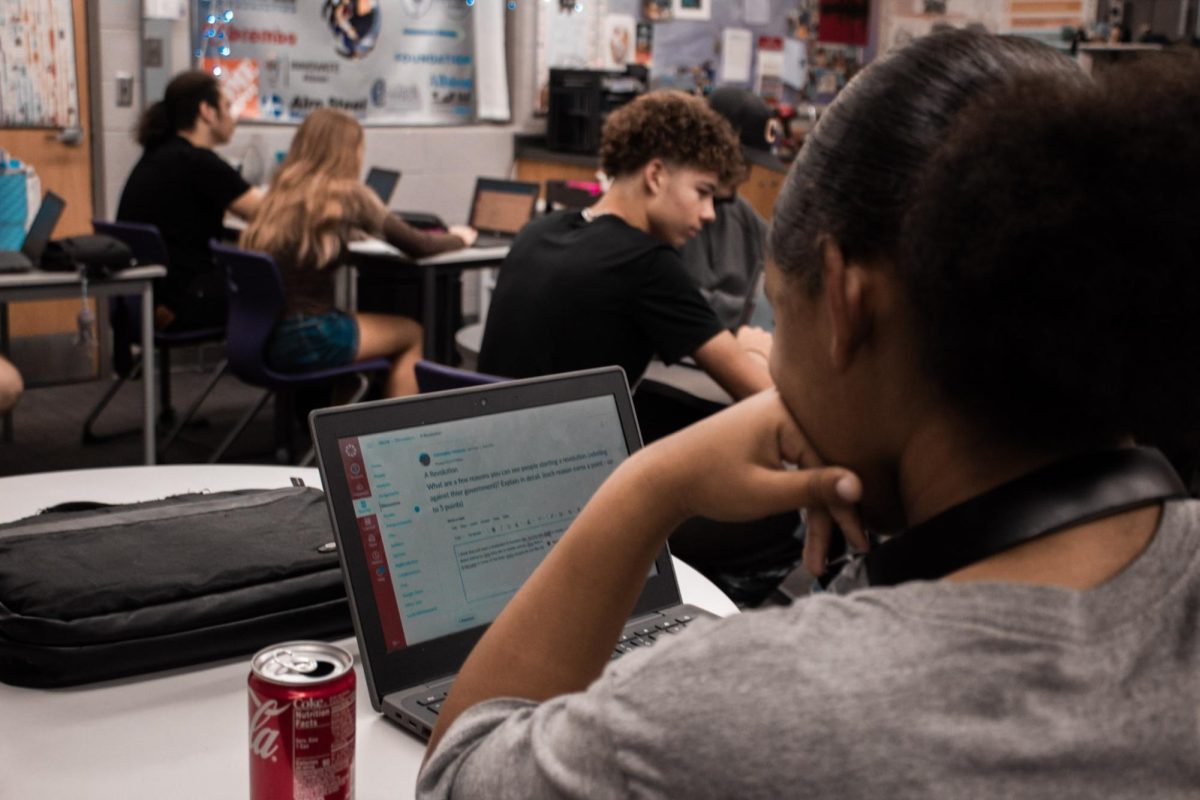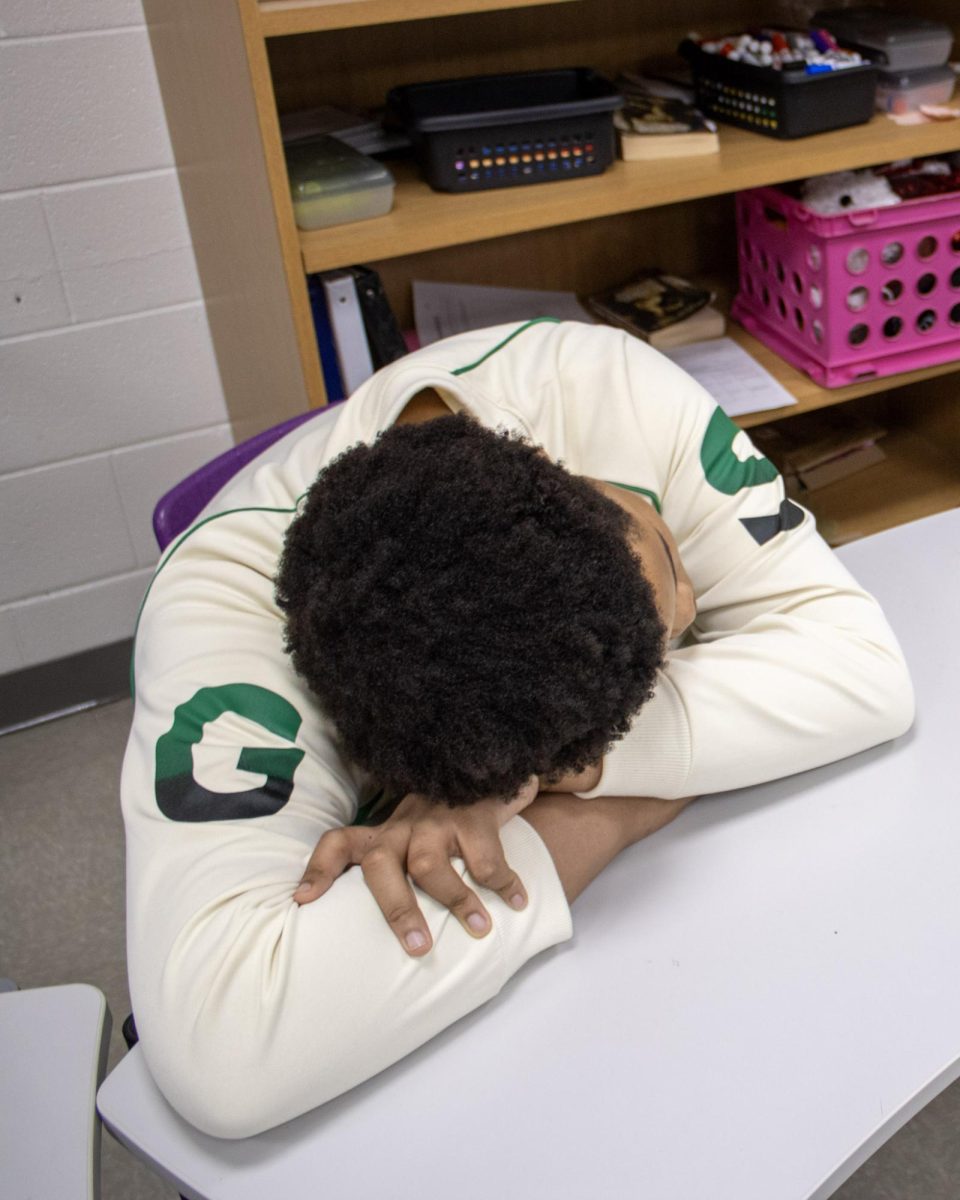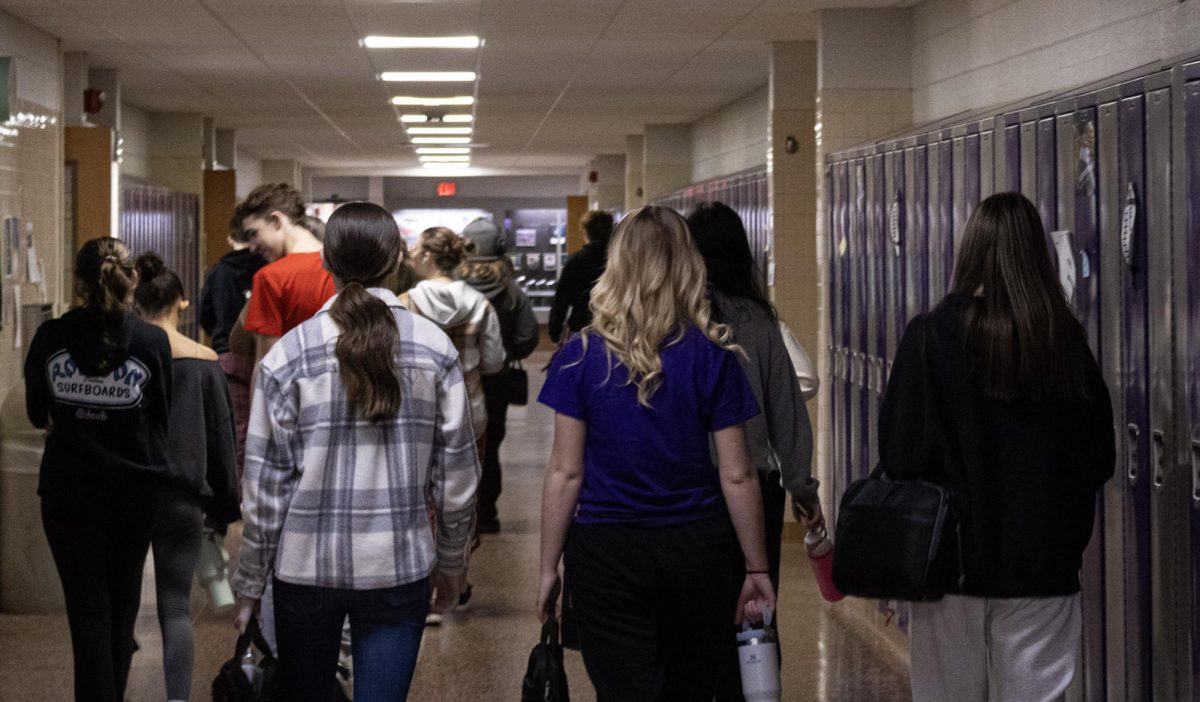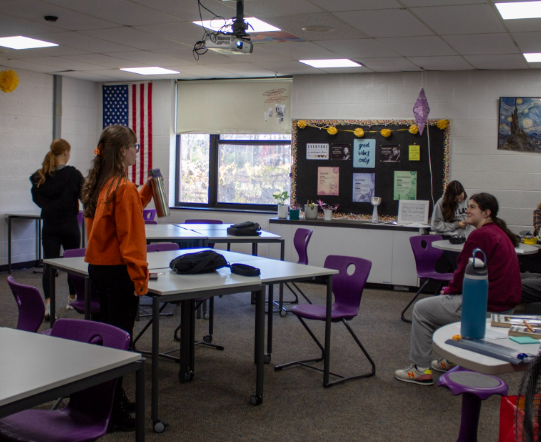
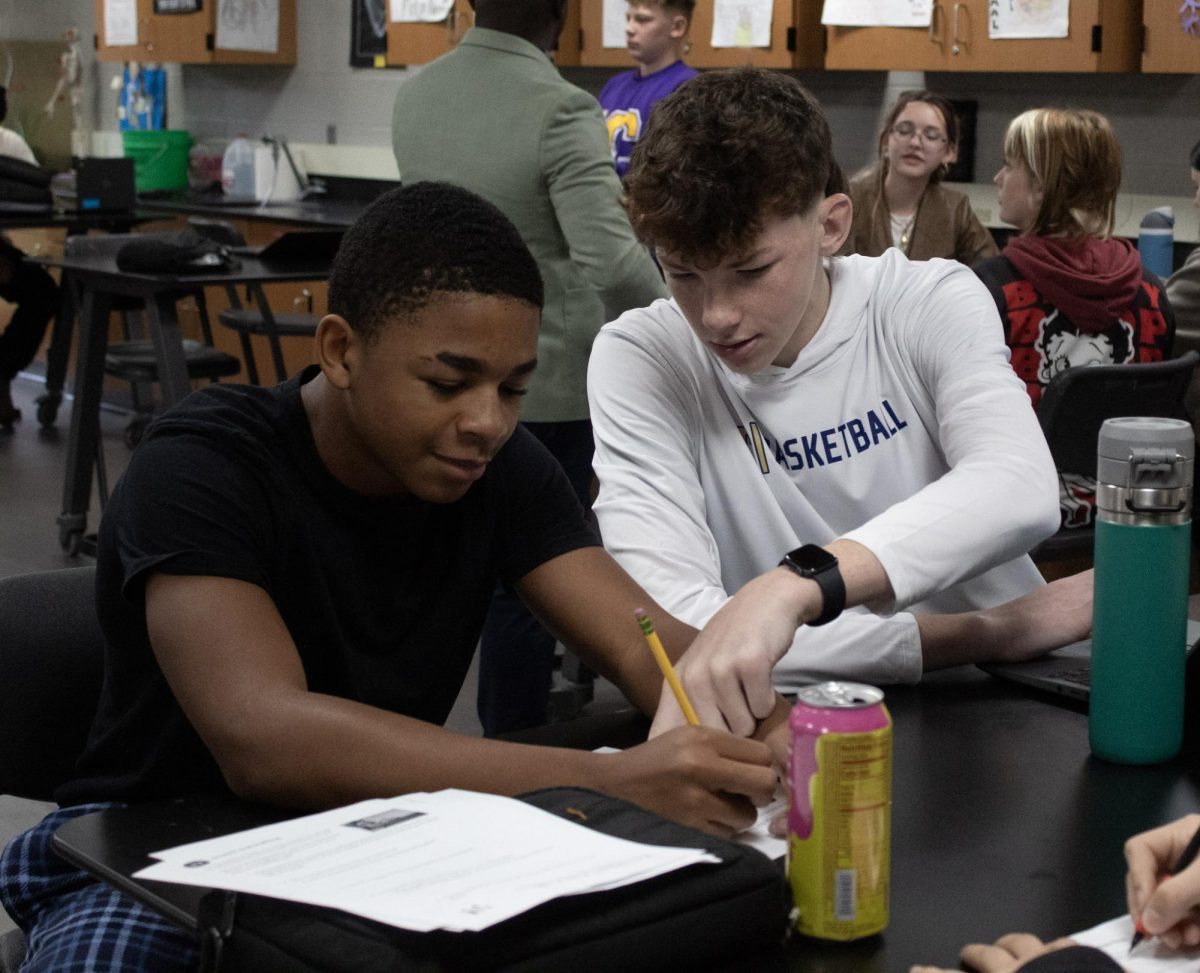
This year, two of our high school teachers have decided to switch up the learning/teaching technique for the freshman class. They have introduced peer-to-peer tutoring. This tutoring style involves a student who has mastered a skill teaching it to peers/classmates. These sessions take place on Fridays, during the third and fourth periods of the day.
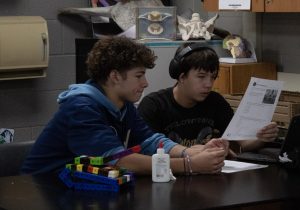
During these sessions, the tutor is held accountable to ensure that the student they’re tutoring completes their work, as well as a reflection of their students’ progress each time. Meaning, these sessions could affect the grades of the tutor and the student being tutored. According to ScienceDirect.com, “Peer tutoring can also benefit students over the long-term by increasing their academic confidence, fostering social skills, and developing skill sets to enhance learning.” Opportunities to engage in conversations about learning benefit students in a multitude of ways, even if they’re unaware of the effects.
Many students who were interviewed expressed different opinions about these sessions. The majority of the students who were/are being tutored exclaimed that they enjoy these sessions and would like to continue them every week. However, many of the tutors expressed how they would rather spend the time on Fridays doing their own work instead of having to worry about other students affecting their grades.
JJ Davis-Bailey, whom Braelynn Thorrez previously tutored, states, “I like these tutoring sessions because they give me the extra time and help to get caught up, and also I get a better understanding of the materials we are learning.”
Thorrez agrees with this, saying, “Since we started the tutoring, I feel that he has improved. I feel like he got more independent on it. Once I showed him the ropes, he caught on super quick.” Thorrez also explained how, if she had the choice, she would choose not to continue these sessions. Stating, “Sometimes I’m not all caught up, so I wish we had a choice whether we do these every Friday or not, because when I get my own work done, then I could move on to helping them.”
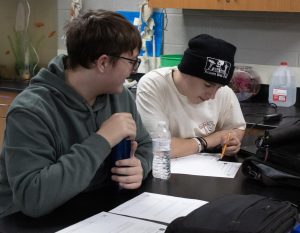
Biology teacher, Mrs.Fiero, was one of the two teachers who introduced this teaching technique, along with Algebra teacher, Mr.Kraabel. Fiero confidently states, “I have seen a lot of positive changes in both the honors and non-honors students.“
Similarly, Kraabel said, “I think the tutors are, first of all, gaining the ability to learn the knowledge in a new, different way, by having to explain everything out loud to another student. Also, they might realize how hard teachers’ jobs truly are.”
Nonetheless, there are some positive and some negative opinions on this different curriculum of learning. Over the last quarter of the 25-26 school year, peer-to-peer tutoring has been seen to have a beneficial impact. Not only does it help students, but it also benefits the teachers. It gives the teachers relief knowing that the students are getting the one-on-one help they may need.
While this teaching/learning technique might not be in everyone’s interest. It has been proven that overall, peer-to-peer tutoring in fact does benefit both sides.